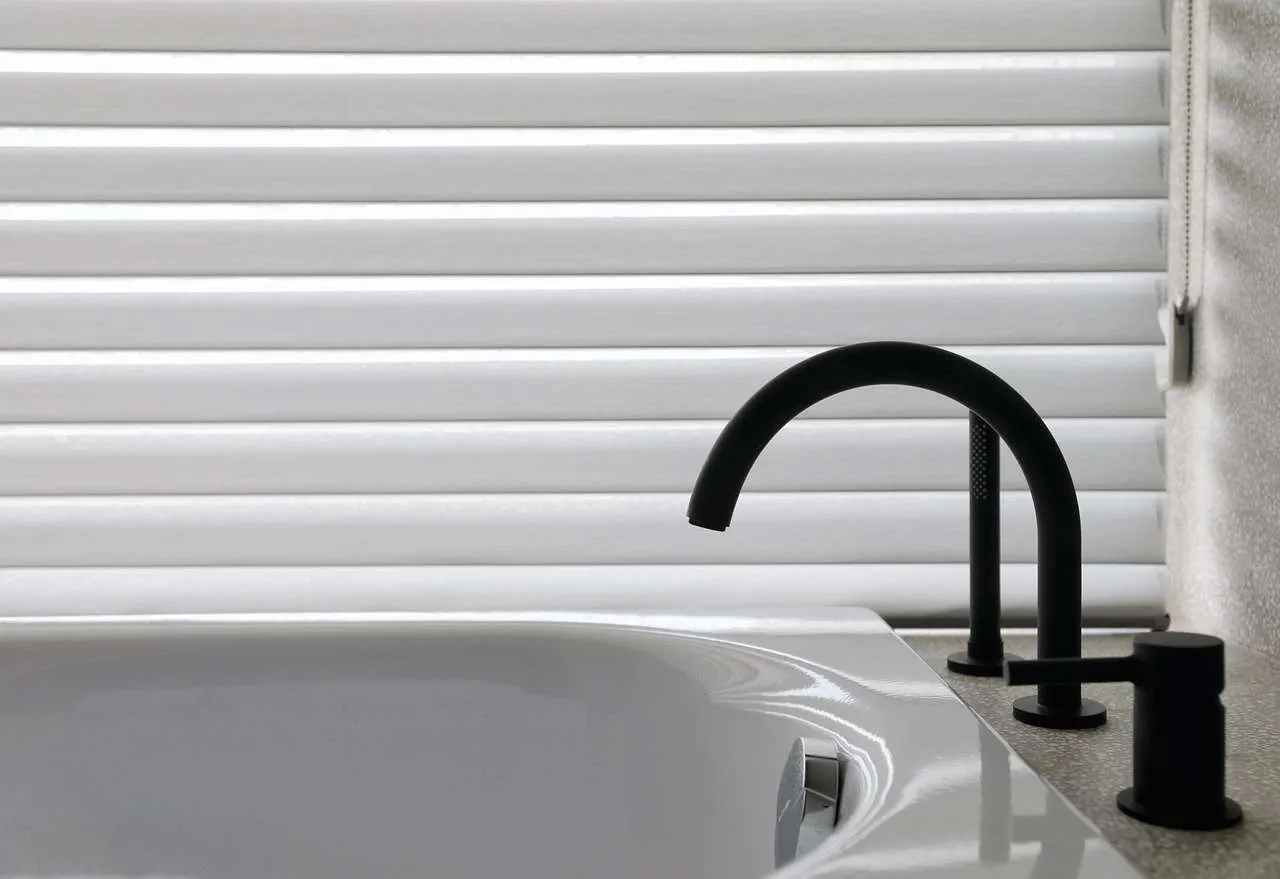
Window tint for home refers to thin film applied to the interior side of glass panes to control heat, UV exposure, glare, and privacy. Residential films are designed to be durable, low-maintenance, and compatible with common home glazing and insulated units.
Why homeowners choose window tint for home
Installing window film can deliver several advantages:
- Energy efficiency: reduces cooling loads by rejecting solar heat.
- UV protection: blocks up to 99% of ultraviolet rays, protecting furnishings and skin.
- Glare control: improves comfort and screen visibility in bright rooms.
- Privacy and aesthetics: enhances daytime privacy and adds a uniform look.
- Safety and durability: some films hold glass together if shattered.
Energy efficiency and comfort
In sunny climates or on east- and west-facing windows, tint can cut heat gain significantly. Depending on the film, you may experience a noticeable drop in indoor temperature variance between rooms and a more comfortable living space.
UV protection and interior preservation
Quality residential films block most UV radiation, slowing fading of wood, fabric, carpeting, and artwork. UV protection also reduces risk to occupants' skin over time.
Privacy and safety
Even a light tint improves daytime privacy. Darker tints raise privacy while minimizing visibility from outside. Some films are classified as safety films and can help prevent dangerous shards from scattering.
Types of window tint for home
Dyed films
Affordable and effective for glare reduction; however, they offer moderate heat rejection and can fade over time in strong sun.
Metalized films
Excellent heat rejection and glare control, but the metal layer can interfere with cell signals and remote remotes, and may show a visible metallic shine.
Ceramic films
High heat rejection, excellent UV blockage, non-conductive, and low reflectivity. They maintain clarity and do not interfere with signals.
Nano-ceramic and advanced options
Premium films using nano-ceramic technology deliver strong heat rejection with maximum clarity and durability, often at a higher price point.
Choosing the right tint for your home
When selecting window film, consider climate, sun exposure, window orientation, and the level of privacy you want. Look for a high Visible Light Transmittance (VLT) in the range you prefer while ensuring adequate heat rejection. Check local laws and HOA guidelines, as some jurisdictions limit darkness and reflectivity. Always verify warranty length, warranty terms, and whether professional installation is required to maintain coverage.
Installation and maintenance
Professional installation ensures precise fit, proper edge sealing, and warranty validity. DIY kits may save upfront costs but risk bubbles, peeling, or reduced performance. Maintenance requires non-ammonia cleaners and soft cloths to avoid scuffs. Avoid abrasive materials that can scratch the film.
Cost, ROI, and maintenance
The upfront cost varies by film type, window size, and installation complexity. Typical installed costs range from approximately $5 to $15 per square foot, with ceramic and nano-ceramic films at the higher end. Energy savings may offset a portion of the cost over time, depending on climate, window orientation, and energy rates. A professional consultation can provide a precise quote and potential ROI.
Comparison of common window tint for home options
| Tint Type | UV Rejection | Glare Reduction | Heat Rejection | Durability | Cost |
|---|---|---|---|---|---|
| Dyed film | Good | Moderate | Moderate | Low | Low–Medium |
| Metalized film | Excellent | High | High | Medium | Medium |
| Ceramic film | Excellent | High | Excellent | High | High |
| Nano-ceramic film | Excellent | Very High | Excellent | Very High | High |
Each option has trade-offs, so prioritize what matters most: energy savings, privacy, or the smallest possible impact on interior aesthetics. A reputable installer can help you choose the right shade and film type for your home.
Conclusion, window tint for home offers energy savings, UV protection, privacy, and safety when chosen carefully and installed by professionals. By selecting the right film type—ceramic or nano-ceramic for most homes—and ensuring proper installation and maintenance, you can enhance comfort and protect furnishings for years to come.
%20631-4295-9991f1c4c750?q=80&w=2070&auto=format&fit=crop)