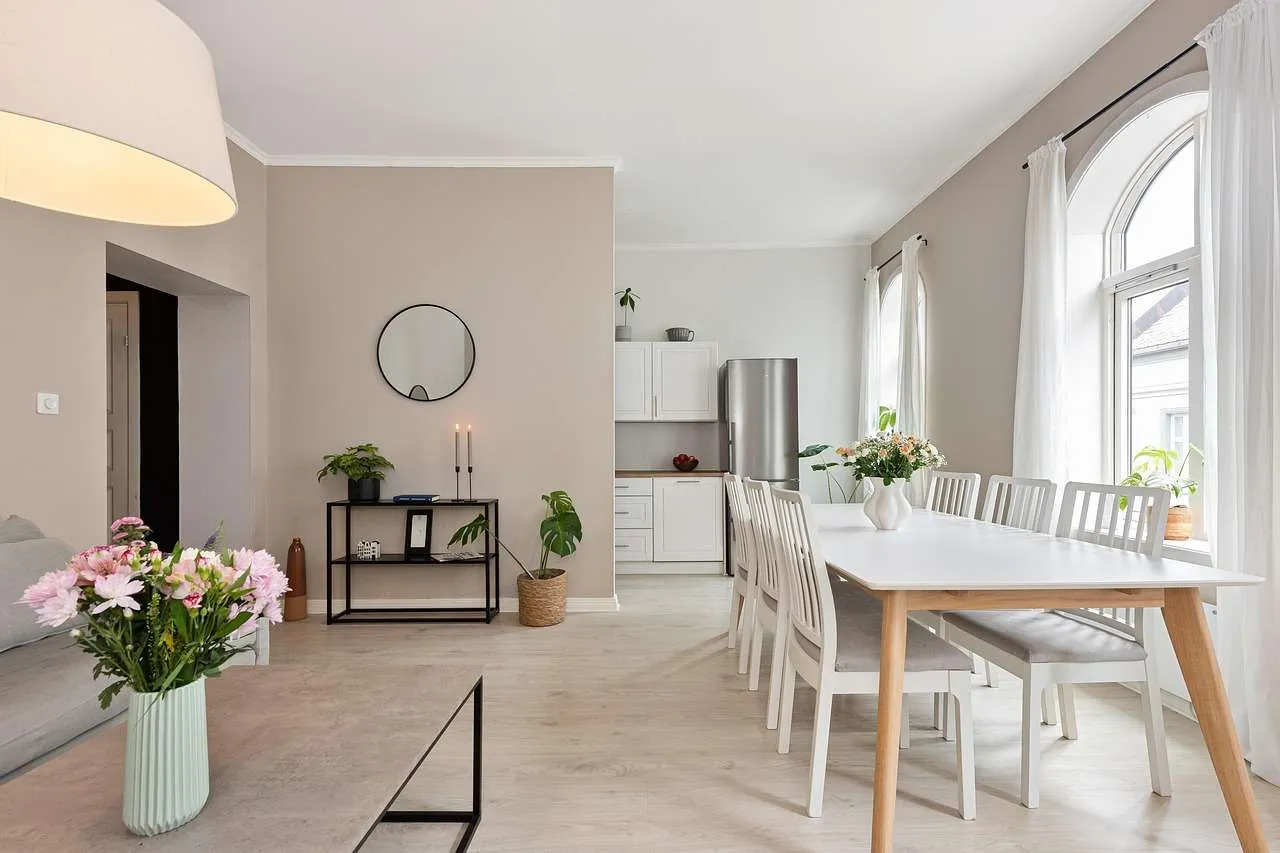
Home window tinting is a practical upgrade for modern homes, offering better comfort, protect against sun damage, and potential savings on energy bills. Today’s films are designed to be nearly invisible from the inside and highly durable, making them a popular choice for homeowners and builders.
What is home window tinting?
Window tinting for homes uses a thin film applied to interior glass. The film can block UV rays, reduce heat transfer, and improve privacy. Depending on the film, it can also minimize glare and shield interiors from fading caused by sun exposure. For EEAT, we rely on credentialed installers and reputable brands to ensure safe application and warranty coverage.
Benefits of home window tinting
Energy savings
By reducing heat gain in summer and helping retain warmth in winter, tint can lower HVAC load, helping you keep rooms at a comfortable temperature without cranking the thermostat. The result is a smaller energy bill and a more consistent indoor environment.
UV protection and glare control
High-quality window films block up to 99% of UV radiation, reducing fading of furniture, flooring, and artwork. Glare reduction makes TVs and computer screens easier to see and reduces eye strain.
Privacy and safety
Tinted films offer daytime privacy without heavy blinds, while some films reinforce glass against shattering, adding an element of safety.
Types of home window tinting
Different film technologies meet different goals. Here is a quick overview to help you compare options.
Dyed tint
Dyed films are affordable and effective for privacy but can fade over time and may not offer the strongest heat rejection.
Metalized tint
Metalized films reflect heat away and can enhance strength, but they may interfere with electronics and produce a mirrored appearance.
Ceramic tint
Ceramic films provide excellent heat rejection and UV protection without metallic interference, preserving visibility and signal quality. They are typically more expensive but perform well in hot climates.
Hybrid tint
Hybrid films combine dyed and metalized layers to balance cost, heat rejection, and glare reduction with fewer metallic drawbacks than pure metalized films.
Reflective tint
Reflective or mirrored films offer strong daytime privacy and high heat rejection, often with a noticeable external reflective look. They can be more detectable from the outside.
How to choose the right film
Consider heat reduction needs, UV protection, desired privacy level, and budget. Also check for warranty, warranty conditions, and any local regulations regarding visible tint levels on residential glass.
Installation options
For best results and to maintain warranties, professional installation is recommended. A certified installer will measure, cut, and apply the film with precision, and they can handle curved or paneled windows. DIY kits exist, but improper application may bubble or peel and could violate local tint laws. Always verify insurance and licensing when selecting a contractor.
Cost and return on investment
Home window tint costs vary by film type, window size, and labor. A typical residential tint job ranges from a few hundred to a few thousand dollars. While premium ceramic films cost more upfront, the energy savings and furniture protection can justify the investment over 5–10 years, especially in hot climates or sun-soaked rooms.
Tint types comparison
| Type | UV Rejection | Heat Reduction | Glare Reduction | Privacy | Durability | Cost |
|---|---|---|---|---|---|---|
| Dyed | Moderate | Low–Moderate | Low | Low–Medium | Low | Low |
| Metalized | High | High | Medium | Low | Medium | Medium |
| Ceramic | Excellent | Excellent | Excellent | High | High | High |
| Hybrid | Good | Good | Medium | Medium | Medium | Medium |
| Reflective | Excellent | Excellent | High | High | Medium–High | High |
Conclusion
Implementing home window tinting can deliver measurable comfort, protection, and energy savings when the right film is chosen and installed by a qualified professional. Evaluate UV rejection, heat control, glare, and local regulations, compare film types with a trusted installer, and consider warranty coverage. A well-chosen tint not only enhances living spaces but also protects interiors and supports a cooler, more efficient home.
Summary: This article covered what home window tinting is, the main benefits, a comparison of common film types, installation options, and cost considerations. By prioritizing expertise, transparency, and trust—through reputable brands, proper measurement, and licensed installers—homeowners can achieve lasting comfort and value while respecting local laws.
%20631-4295-9991f1c4c750?q=80&w=2070&auto=format&fit=crop)