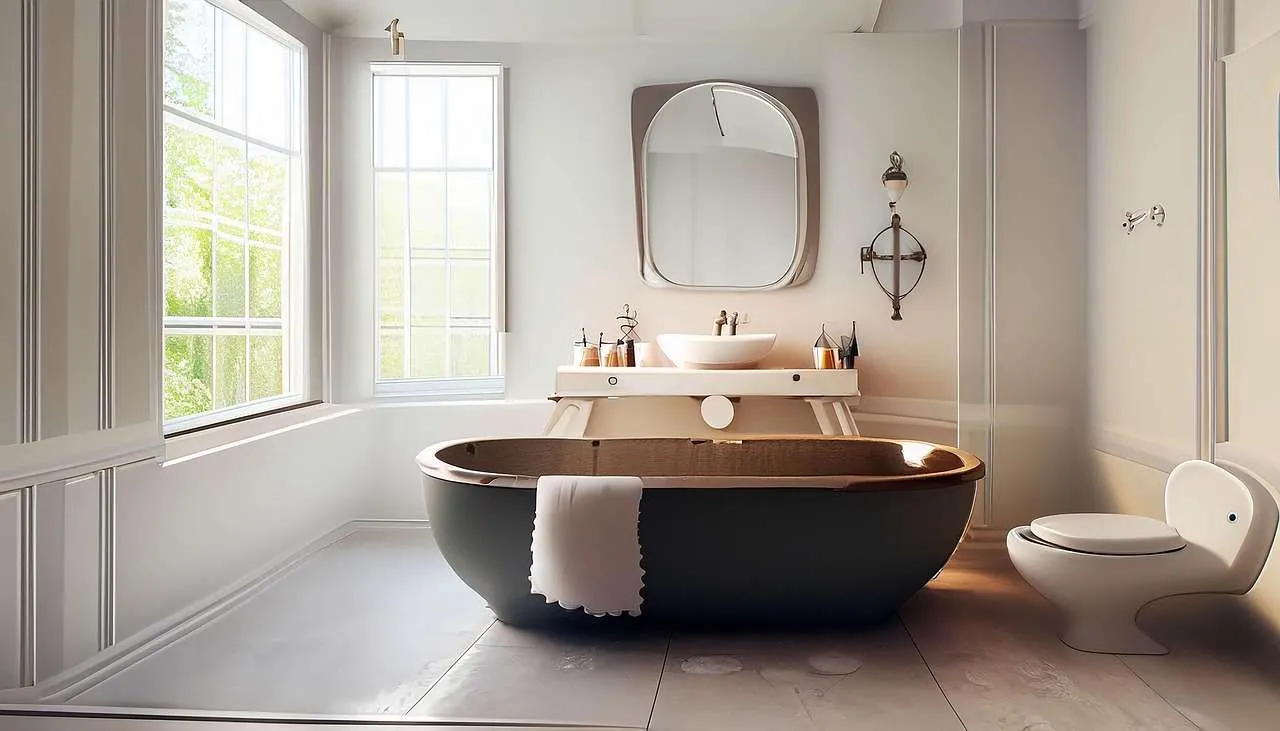
Choosing the right bathroom accessories can transform a practical space into a cohesive retreat. With years of experience in interior improvement and product testing, this guide explains how to select, install, and maintain bathroom accessories that combine function, durability, and style.
Why bathroom accessories matter
Quality accessories do more than hold towels or dispense soap. They protect surfaces by reducing water contact with cabinetry and increase daily convenience. Finishes tie fixtures together, while properly sized pieces create a balanced look from vanity to shower.
Popular types of bathroom accessories
Towel storage and hooks
Towel bars, rings, and hooks keep linens within reach and organized. When selecting, consider width relative to your vanity and the number of towels used daily.
Dispensers and organizers
Soap dispensers, lotion pumps, and vanity organizers reduce clutter and improve hygiene. Look for matching finishes and easy refilling mechanisms.
Mirrors and lighting
Mirrors with anti fog features or integrated lighting expand the usable space. Choose lighting with color temperatures that match your vanity hardware for a cohesive feel.
Storage solutions
Shelves, cabinet organizers, and vanity trays maximize storage without crowding the room. Floating shelves create an airy feel, while closed organizers protect items from humidity.
Materials and finishes
Common finishes include chrome, brushed nickel, matte black, and brass varieties. Chrome is versatile and easy to clean; brushed nickel hides fingerprints; matte black provides modern contrast; brass adds warmth. In humid bathrooms, opt for corrosion resistant finishes and solid mounting hardware. Regular cleaning with a mild, non-abrasive cleaner preserves shine and prevents staining.
Design tips for cohesive spaces
- Match finishes across major pieces for a unified look.
- Scale accessories to vanity size; avoid crowding the sink area.
- Test three to five pieces at a time before committing to a color or finish.
- Consider children or elderly users; choose adjustable or universally accessible designs.
Installation and maintenance
Most bathroom accessories install with simple hardware on studs or with anchors suitable for tile. Use a level to ensure straight alignment and predrill pilot holes to minimize tile cracking. Regularly wipe fixtures to remove moisture and mineral buildup; dried water spots can be wiped away with a soft cloth and a mild cleaner.
Buying guide and comparison
When shopping, evaluate installation type, mounting method, and compatibility with existing fixtures. A well-chosen accessory set creates continuity, reduces clutter, and eases daily routines.
| Finish | Pros | Cons | Best For |
|---|---|---|---|
| Chrome | Bright, affordable, easy to clean | Shows water spots | Contemporary spaces |
| Brushed Nickel | Less fingerprints, warm tone | Can feel dull in bright rooms | Transitional designs |
| Matte Black | Strong contrast, modern look | Shows soap scum on light surfaces | Bold, statement bathrooms |
| Stainless Steel | Exceptional durability, corrosion resistant | Higher cost | Heavy use areas |
| Brushed Brass | Warmth, vintage appeal | Needs care to avoid tarnish | Traditional or eclectic bathrooms |
In all cases, verify product warranties, installation guides, and manufacturer recommendations. If you are unsure, consult a licensed plumber or contractor to ensure proper mounting, weight support, and electrical safety for mirrors with integrated lighting.
Conclusion, the right bathroom accessories unify style and function, protect surfaces, and simplify daily routines. By choosing durable finishes, measuring accurately, and following installation tips, you create a cohesive, low-maintenance bathroom that lasts.
%20631-4295-9991f1c4c750?q=80&w=2070&auto=format&fit=crop)